
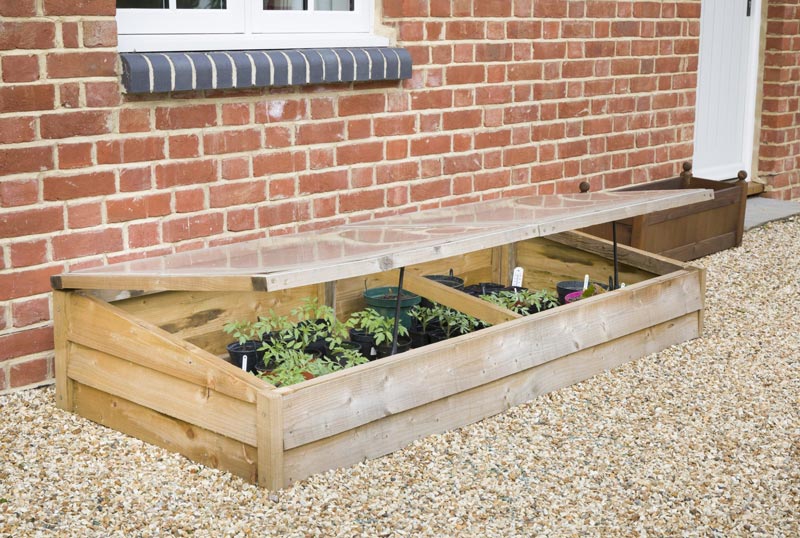
At Riva Gardens, we believe that gardening doesn’t have to end with the first frost. By building a cold frame, you can extend your growing season and harvest fresh greens and root vegetables throughout the winter. Whether you’re an experienced gardener or looking for a new challenge, constructing a cold frame is a great way to push your skills to the next level.
What is a Cold Frame?
A cold frame is a simple, unheated structure made of a transparent top and a sturdy frame. It captures sunlight and retains warmth, creating a perfect microclimate for hardy crops like spinach, lettuce, and carrots, even as the temperatures drop.
Materials You’ll Need:
- Wooden planks or bricks for the frame (cedar is durable and weather-resistant)
- A clear cover such as glass, plexiglass, or plastic
- Hinges to attach the cover for ventilation
- Rich soil and compost for planting
- Basic tools like a saw, hammer, and screws
How to Build Your Cold Frame:
- Choose the Best Location
Place your cold frame in a spot that gets plenty of sunlight, ideally facing south. A level area is important for proper drainage. - Build the Frame
Construct a rectangular frame to the size you want, typically around 3 feet by 6 feet. Ensure the back of the frame is taller than the front to create a slope, which helps rain and snow slide off the top. - Install the Transparent Cover
Attach the clear cover using hinges so you can easily open it for ventilation on warmer days. The cover will trap sunlight, keeping the inside warm. - Prepare the Soil
Inside the frame, ensure the soil is well-draining and nutrient-rich by mixing in compost. Adding mulch or straw can help insulate your plants even further. - Plant Cold-Hardy Crops
Cold frames are perfect for growing vegetables that thrive in cooler temperatures, such as:- Leafy greens like spinach, kale, and arugula
- Root vegetables like carrots, radishes, and turnips
- Hardy herbs like parsley and cilantro
Caring for Your Cold Frame:
- Ventilation is Important: Even in winter, a sunny day can cause your cold frame to heat up. Open the top slightly to allow airflow and prevent overheating.
- Monitor the Temperature: Use a thermometer to keep the temperature between 40°F and 65°F. Insulate the frame at night with blankets or straw bales if necessary.
- Water Sparingly: Plants in cold frames don’t need as much water as they do in warmer months. Keep the soil moist, but be careful not to overwater.
Why Build a Cold Frame?
- Extend Your Harvest: With a cold frame, you can grow and harvest fresh vegetables throughout the winter, far beyond the typical growing season.
- Enhanced Flavor: Cold-hardy crops like carrots and spinach often develop a sweeter taste when exposed to light frost.
- Sustainable Gardening: A cold frame allows you to grow your own produce year-round, reducing the need to rely on grocery store vegetables during the colder months.
Ready to Start Your Cold Frame?
Riva Gardens is here to help you get started with all the materials you need, from building supplies to seeds and compost. Our team of experts can offer tips and guidance to help your winter garden flourish.
Visit Riva Gardens today to learn more about building your own cold frame and keeping your garden growing strong, no matter the season. Together, we can turn winter into a time of growth!
