
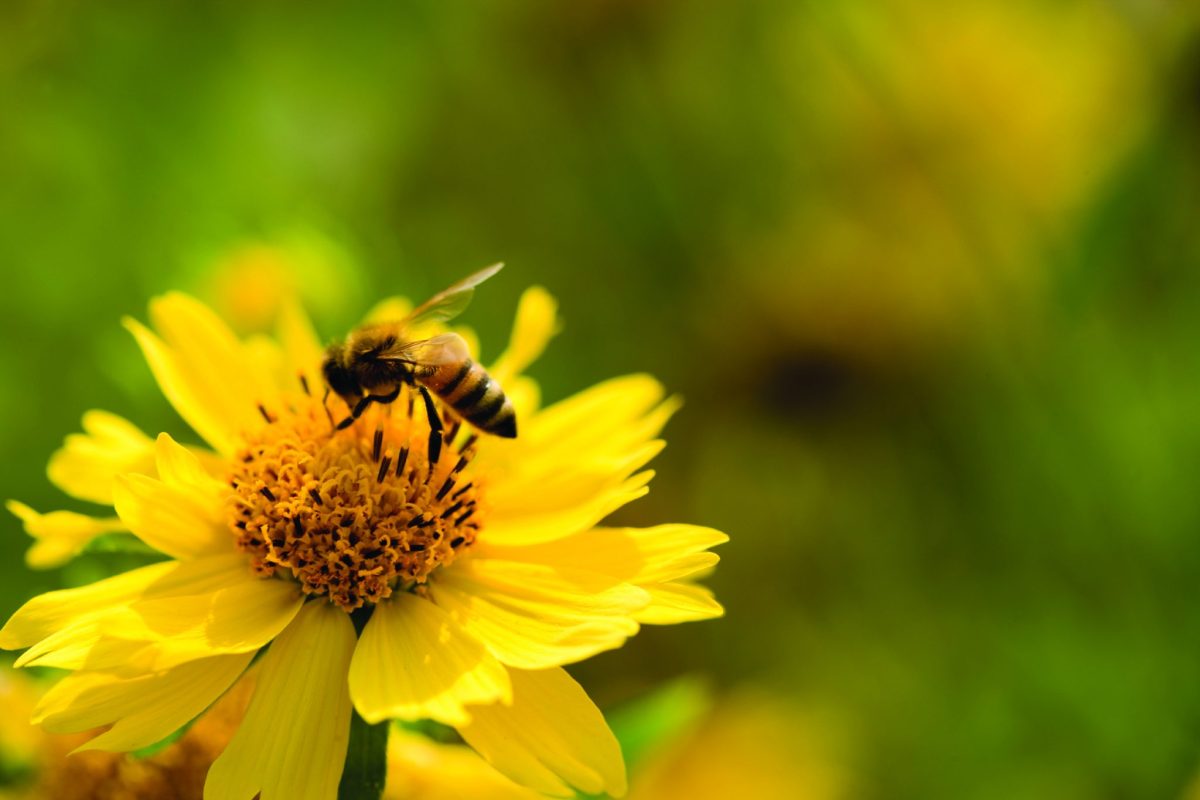
Create a Garden That Buzzes With Life—Naturally
There’s something magical about stepping into a garden that’s alive with movement—bees bouncing between blooms, butterflies gliding through the air, hummingbirds zipping in for a quick sip. This spring, you can bring that kind of magic to your own backyard by creating a pollinator paradise—and Riva Gardens is here to help.
Pollinator gardens are beautiful, low-maintenance, and essential to the health of our environment. Whether you have a few containers on a deck or a sprawling landscape to work with, a pollinator-friendly garden invites the best of nature to come to you.
Here’s how to turn your space into a pollinator paradise this spring.
🐝 Why Pollinators Matter
Pollinators—like bees, butterflies, hummingbirds, and even certain beetles and moths—are vital for healthy ecosystems and food production. They’re responsible for fertilizing plants by moving pollen from flower to flower, ensuring that fruits and vegetables develop properly.
But pollinator populations are under pressure. Loss of habitat, pesticide use, and climate change have caused declines in both native and managed pollinator species. The good news? You can help—right in your own garden.
🌸 Step 1: Choose the Right Plants
Pollinators need a steady supply of nectar and pollen throughout the growing season. The key is to offer a diverse selection of native and pollinator-friendly plants that bloom from early spring through late fall.
🌼 Best Picks for Our Region:
-
Spring: Salvia, Lungwort, Creeping Phlox, Redbud, Native Columbine
-
Summer: Bee Balm (Monarda), Coneflowers (Echinacea), Black-eyed Susans (Rudbeckia), Milkweed (Asclepias), Lavender
-
Fall: Goldenrod (Solidago), Asters, Sedum (Autumn Joy), Joe Pye Weed
Riva Tip: Native plants are particularly important because local pollinators have evolved alongside them. Ask our staff to help you select plants suited to our local climate and your specific site conditions (sun, shade, dry, moist, etc.).
🌿 Step 2: Group Plants in Clusters
Pollinators are more likely to visit flowers that are planted in generous, bold groups. Instead of dotting a few coneflowers here and there, plant in clusters of 3 to 5 or more to create visual impact and easier foraging for bees and butterflies.
🧱 Step 3: Provide Shelter & Water
Pollinators need more than just flowers—they need a place to rest, nest, and rehydrate.
-
Shelter: Leave a few undisturbed corners of your yard, such as brush piles or bare soil patches, for native bees to burrow. Consider adding a bee hotel or butterfly house for fun and function.
-
Water: A shallow dish with pebbles and clean water makes a perfect pollinator watering station.
🚫 Step 4: Skip the Chemicals
Avoid using pesticides, herbicides, or fungicides in your pollinator garden. These can harm or kill the very insects you’re trying to attract. Instead, build a healthy, resilient garden by encouraging natural predators and selecting disease-resistant plants.
🌻 Step 5: Keep It Blooming All Season
Pollinators don’t just show up in July—they’re active from early spring through fall. Make sure to include a sequence of bloom times in your planting plan, and consider reseeding or replanting in late summer to keep the food supply going.
Bonus Tip from the Team at Riva Gardens: Leave some seed heads and dried stems standing into winter—they provide overwintering habitat and food for birds and beneficial insects.
🦋 Let Riva Gardens Help You Get Started
We believe that gardens should be full of life—and pollinators are a huge part of that! At Riva Gardens, you’ll find:
✅ A wide selection of native and pollinator-friendly plants
✅ Expert advice on how to build your pollinator garden from scratch
✅ Pollinator-friendly soils, mulches, and organic plant care products
✅ Fun signage, educational materials, and even ready-made pollinator garden kits
This Spring, Garden with Purpose
Creating a pollinator paradise is more than just a trend—it’s a way to give back to the planet while surrounding yourself with beauty. Come see us at Riva Gardens, and let’s plant something that matters.
🌼 Because when your garden buzzes with life—you know you’re growing something good.
